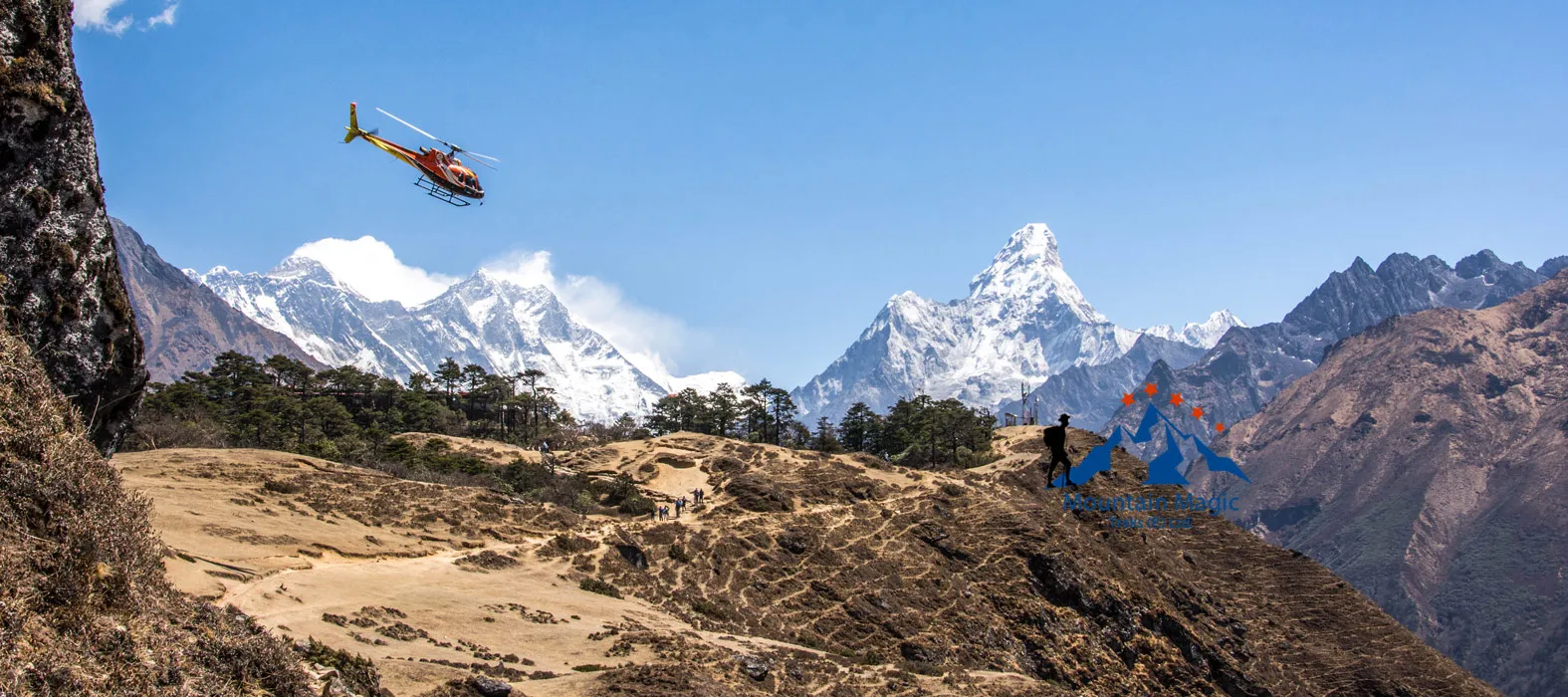
The Everest region is famous for its enormous mountains, but its identity goes far beyond natural beauty. Its villages, monasteries, bridges, and memorial sites hold stories about the people who have lived and traveled here for generations. Every important stop reveals another part of the Khumbu’s history and culture.
The Everest Base Camp Trek with Helicopter Return offers an opportunity to experience these places while traveling toward the foot of Mount Everest. Instead of seeing the route as a simple path between villages, visitors can understand it as a journey through a region shaped by local communities, Buddhist traditions, and the history of Himalayan exploration.
Lukla: Where Mountain Journeys Begin
Lukla is one of the most recognizable entry points to the Everest region. Its airport connects visitors with the Khumbu, where road access is limited and walking remains an important part of everyday travel.
A Town Built Around Mountain Tourism
Lukla supports the movement of guides, porters, local residents, supplies, and trekkers heading deeper into the mountains. Shops, lodges, and small businesses serve people preparing for their journey.
After arriving, trekkers generally begin walking toward Phakding. The route follows sections of the Dudh Koshi River and passes through small settlements, offering an early look at life in the mountain valleys.
Sagarmatha National Park: A Protected Himalayan Landscape
The route toward Namche Bazaar passes through the entrance area of Sagarmatha National Park near Monjo. This protected area includes forests, rivers, glaciers, wildlife habitats, and some of the world’s highest mountain environments.
Protecting a Unique Natural Region
The park plays an important role in conserving the natural environment of the Everest region. Its landscape supports plants and animals adapted to challenging mountain conditions.
For visitors, entering the park is a reminder that the trail passes through a protected area. Avoiding litter, respecting local regulations, and staying on established paths are simple ways to reduce environmental impact.
Hillary Suspension Bridge: An Important Trail Crossing
The route toward Namche Bazaar includes several suspension bridges across the Dudh Koshi River system. One of the most recognizable is the Hillary Suspension Bridge, named after Sir Edmund Hillary, who reached the summit of Mount Everest with Tenzing Norgay in 1953.
How Bridges Connect Mountain Communities
These bridges are essential to daily movement in the Khumbu. They connect villages, walking routes, and supply paths across deep river valleys.
Colorful prayer flags often decorate the bridges, adding a cultural feature to these practical structures. Crossing one also provides a clear view of the river and steep mountain slopes below.
Namche Bazaar: The Trading Heart of Khumbu
Namche Bazaar is one of the most important settlements in the Everest region. Built along a curved mountain slope, it has developed into a center for local trade, accommodation, and trekking services.
Discovering Local Life and Heritage
Namche brings together local residents, business owners, mountain workers, and international visitors. Its markets and shops reflect the needs of communities living in a remote mountain environment.
Visitors can also learn about the region at places such as the Sherpa Culture Museum and the Sagarmatha National Park information center. These attractions provide useful background about local traditions, mountain life, and the natural environment.
The Everest Base Camp Trek with Helicopter Return passes through this important settlement, giving visitors a chance to understand how local trade and tourism support life in the high mountains.
Tengboche Monastery: A Center of Buddhist Tradition
Tengboche is widely known for its monastery and its impressive mountain setting. The monastery is an important Buddhist center in the Khumbu and holds cultural and spiritual value for local communities.
Understanding the Role of Monasteries
Buddhist monasteries are places for prayer, learning, ceremonies, and community gatherings. They also help preserve religious traditions that have shaped life in the Himalayan region for generations.
Visitors should behave respectfully inside religious spaces. Follow local instructions, ask before taking photographs, and avoid disturbing prayers or ceremonies.
The peaceful surroundings of Tengboche offer a different perspective on a journey often associated with physical adventure.
Thukla Pass: Remembering Himalayan Climbers
Beyond Dingboche, the trail toward Lobuche passes a memorial area near Thukla Pass. It contains stone structures and plaques dedicated to climbers who lost their lives in the Himalayas.
A Meaningful Stop Along the Route
The memorials represent the difficult history of high-altitude mountaineering. They remind visitors that climbing famous peaks involves serious risks, years of preparation, and difficult decisions.
This is a place where a quiet moment can add meaning to the journey. It also encourages respect for the guides, porters, climbers, and local workers who support Himalayan expeditions.
Everest Base Camp: More Than a Famous Name
Everest Base Camp is a well-known destination, but it also serves a practical purpose during climbing seasons. Expedition teams use the area beside the Khumbu Glacier as a staging point while preparing for attempts on Mount Everest.
What the Base Camp Environment Looks Like
Its appearance changes throughout the year. During expedition periods, tents and climbing equipment may be visible. Outside these periods, the area can look much quieter.
Visitors should remember that this is a rugged glacial environment rather than a developed village. Uneven ground, loose stones, and changing mountain conditions require attention.
The Everest Base Camp Trek with Helicopter Return brings trekkers to this remarkable area before the return journey, making the destination a central part of the overall experience.
Kala Patthar: A Viewpoint Above the Glacier
Kala Patthar reaches approximately 5,545 meters and is known for its broad views of Mount Everest and neighboring peaks. It offers a different perspective from Everest Base Camp, which sits beside the glacier at approximately 5,364 meters.
The climb to this viewpoint is a memorable part of the itinerary. From above, trekkers can appreciate the scale of the surrounding mountains and the landscape they have traveled through.
Final Thoughts
The Khumbu region contains landmarks that explain different parts of its identity. Lukla shows how visitors enter the mountains, Namche reflects local trade, Tengboche represents spiritual traditions, and Thukla Pass preserves memories of Himalayan mountaineering.
The Everest Base Camp Trek with Helicopter Return connects these places in one remarkable itinerary. Learning about their history and purpose makes each stop more meaningful than simply taking a photograph and moving on. The mountains may attract visitors, but the communities, traditions, and stories of Khumbu give the journey its deeper character.
Frequently Asked Questions
1. Why is Namche Bazaar important in the Everest region?
Namche Bazaar is a major trading and service center in Khumbu. It also provides access to cultural attractions and information about the surrounding national park.
2. What makes Tengboche Monastery special?
It is an important Buddhist religious center known for its cultural significance and mountain setting.
3. What can visitors see at Thukla Pass?
Visitors can see memorials dedicated to climbers who lost their lives in the Himalayas. The site provides a place for reflection and remembrance.
4. Is Everest Base Camp the highest point of the itinerary?
No. Everest Base Camp is approximately 5,364 meters high, while Kala Patthar reaches approximately 5,545 meters.
5. Does the itinerary include the full walking return journey?
No. The itinerary includes a helicopter flight from the Gorakshep area toward Kathmandu instead of walking the entire return route. Flight operations depend on weather and local conditions.